
Allergy Season is Here, But You Don’t Have to Suffer
Practical tips for finding relief from hay fever and other common allergies
Spring might bring flowers and sunshine, but for millions of Australians, it also marks the start of allergy season. If you’re one of the many dealing with sneezing fits, itchy eyes or a runny nose, you know just how disruptive allergies can be.
The good news? There are simple, effective ways to stay ahead of your symptoms. Here’s how to manage your allergies this season, backed by expert advice from your local IPA pharmacist.
1. Know your triggers
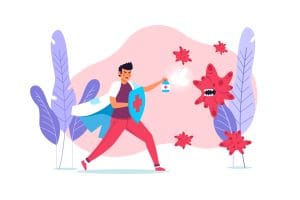
Allergy symptoms are caused by an overreaction of your immune system to allergens such as pollen, dust mites, mould, or pet dander.
Understanding what sets off your symptoms is the first step in managing them.
Common triggers include:
- Tree pollen (early spring)
- Grass pollen (late spring to summer)
- Dust mites and mould (year-round)
- Pet hair or dander
Not sure what’s triggering your symptoms? Your pharmacist can help you identify likely culprits or suggest allergy testing pathways.
2. Monitor pollen forecasts
On high-pollen days, symptoms can flare up quickly. Plan ahead and find out the pollen count on any given day with a weather app.
Tips to reduce exposure:
- Stay indoors on dry, windy days
- Keep windows and doors closed, especially in the morning
- Dry clothes indoors to avoid pollen settling on fabrics
- Shower and change clothes after spending time outdoors
Tip: Using an air purifier with a HEPA filter (high efficiency particulate arresting filter) can also help reduce indoor allergens.
3. Use allergy medications proactively
Waiting until symptoms are in full swing isn’t ideal. Many allergy medicines work best when taken before you’re exposed to allergen, especially nasal sprays.
Common options include:
- Non-drowsy antihistamines (e.g. Telfast®, Claratyne®, Zyrtec®)
- Corticosteroid nasal sprays (e.g. Nasonex®, Rhinocort®)
- Antihistamine eye drops (e.g. Zaditen®, Livostin®)
- Saline sprays to rinse allergens from the nose
Tip: Your IPA pharmacist can recommend the best combination of treatments for your symptoms and age group.
4. Keep your home allergy-friendly
Even indoors, allergens can linger. A few simple adjustments can make your living space a lot more comfortable.
Try these strategies:
- Vacuum with a HEPA-filter vacuum weekly
- Wash bedding in hot water to kill dust mites
- Use dust mite-proof covers on pillows and mattresses
- Keep pets out of bedrooms, especially during peak allergy times
Tip: Hard floors are better than carpet for allergy sufferers, as they don’t trap dust and pollen as easily.
5. Consider allergen barriers and natural supports
For those looking to add a natural step to their routine, barrier balms like Vicks® VapoRub Easy Applicator Vaporising Ointment 35g can be applied around the nostrils to help trap pollen before it enters the nasal passages.
While not a replacement for medication, they may be helpful as part of a broader management plan, especially on high-pollen days or during outdoor activities.
Need help managing your symptoms? Your pharmacist is here for you
No two allergy sufferers are exactly alike. That’s why personalised advice can make a big difference. Your local IPA pharmacist can help you build a tailored allergy plan based on your symptoms, health history, and preferences.
Don’t let allergy season slow you down! Speak to your pharmacist and get back to doing the things you love, symptom-free.